Blog

Banner-images-3
Concrete Cancer And Spalling

Identify and Treat Structural Concrete Damage

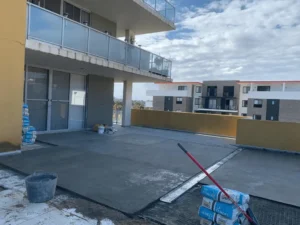
Concrete cancer and spalling are serious issues caused by moisture reaching the steel reinforcement inside concrete structures. When the steel begins to rust, it expands and puts pressure on the surrounding concrete, causing cracking, flaking, and sections of concrete to break away. Our Repair Process At A1 Remedial, we provide
Read More »
Concrete Hob Door Hob

Strong and Reliable Threshold Repairs

Concrete hobs and door hobs are crucial structural elements found around bathrooms, balconies, wet areas, and door thresholds. These raised concrete sections help support door frames and act as barriers to prevent water seepage into internal spaces. Repair and Reconstruction Services Over time, concrete hobs may crack, weaken, or deteriorate

Read More »
Banner-images-1
Cavity Flashing

Essential Moisture Protection for Walls

Cavity flashing is an important waterproofing component within masonry walls. Its purpose is to collect any water entering the wall cavity and safely redirect it to the outside. Without effective flashing, moisture can accumulate inside the wall system and cause internal water damage. Our Expert Flashing Installation At A1 Remedial,

Read More »
Banner-images-3
Caulking And Expansion Joint

Flexible Sealing for Structural Movement

Buildings naturally expand and contract as temperatures change throughout the year. This movement can create gaps, cracks, and open joints in walls, facades, windows, doors, and concrete slabs. Without proper sealing, these openings allow water, dust, and air to enter the building, causing long-term deterioration. High-Quality Caulking Solutions Our caulking

Read More »
Banner-images-2
Brick Stitching

Professional Crack Repair for Damaged Brickwork

Brick stitching is one of the most trusted remedial building techniques used to repair cracked brick walls and restore structural stability. Cracks in masonry can occur due to foundation settlement, building movement, soil pressure, thermal expansion, water damage, or simply the ageing of the structure. While some cracks may appear

Read More »

Get Free Quote